
India’s weather office has tempered expectations for this year’s southwest monsoon, forecasting below-normal rainfall for the June–September season and warning of a real chance of a deficient year. The updated outlook puts seasonal rainfall at around 90 percent of the long-period average, with a sizeable probability that the country ends the season short of water — a worrying signal for a farm economy that still leans heavily on the rains.
The caution is tied largely to an emerging El Nino, the periodic warming of the Pacific that has historically suppressed Indian monsoon rainfall. Forecasters say its influence could strengthen as the season wears on, even as the monsoon itself has advanced on schedule across much of the country.
Uneven so far
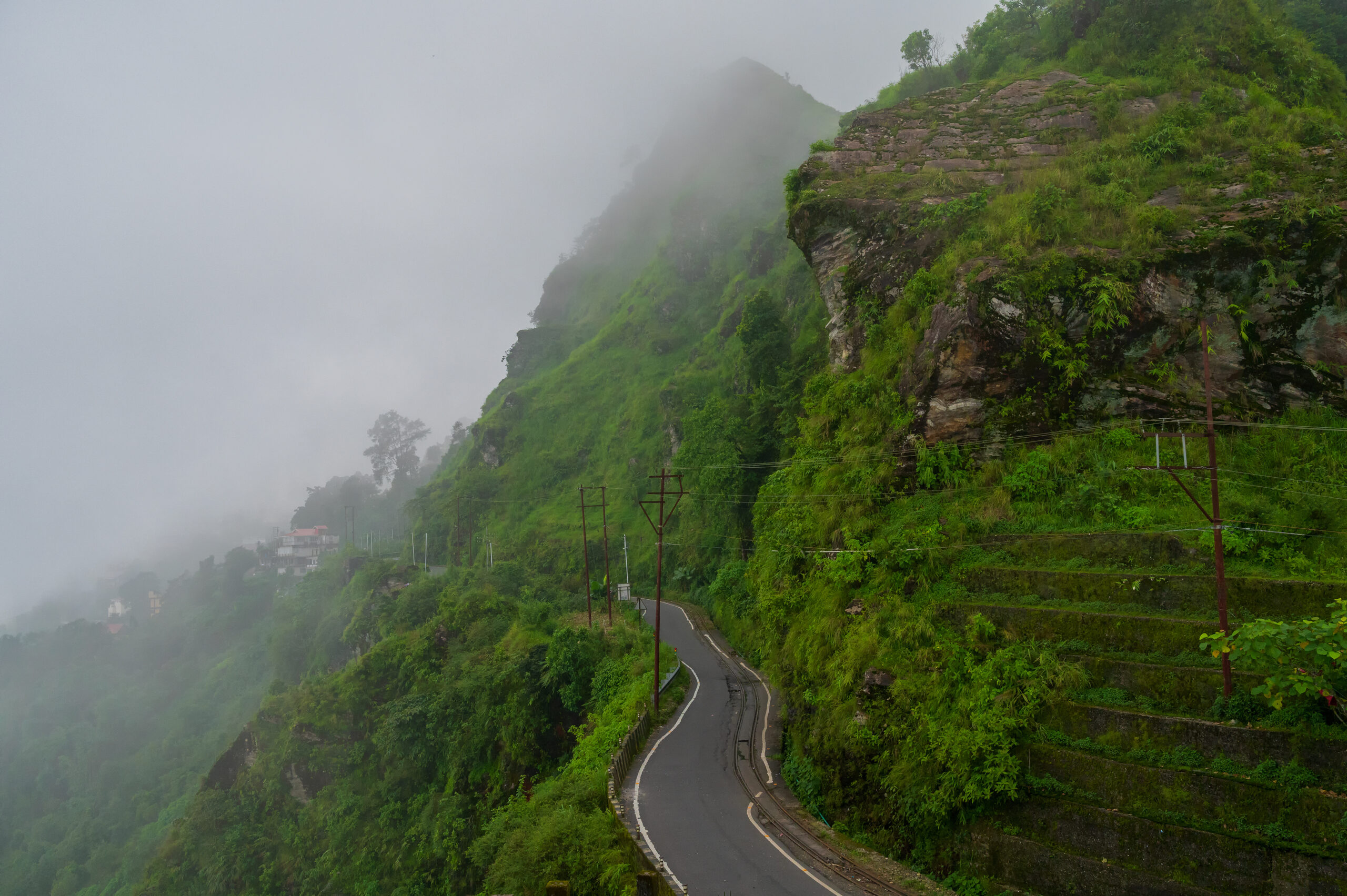
The monsoon has already pushed into Maharashtra, including Mumbai, and covered Telangana, Odisha, and large parts of Chhattisgarh, Jharkhand and Bihar, with further advance expected into Gujarat, Madhya Pradesh, Uttar Pradesh and Uttarakhand. Heavy to very heavy spells have lashed the northeast, sub-Himalayan West Bengal and Sikkim, while the west coast — Konkan, coastal Karnataka and Kerala — has seen widespread rain. But timely arrival does not guarantee a generous season.
Why it matters
The monsoon waters the bulk of India’s kharif crops — rice, pulses, oilseeds, cotton and sugarcane — and refills the reservoirs that carry farms and cities through the dry months. A weak or patchy season can dent rural incomes, push up food prices and complicate the inflation picture just as policymakers try to keep prices in check.
Forecasters caution that a below-normal national average does not mean uniform shortage; distribution matters as much as total volume. A few well-timed spells during sowing and grain-filling can rescue a season, while long dry breaks at the wrong moment can hurt even in an average year. For now, farmers, traders and planners will be watching the skies — and the next set of forecasts — far more closely than usual.
Leave a Reply