
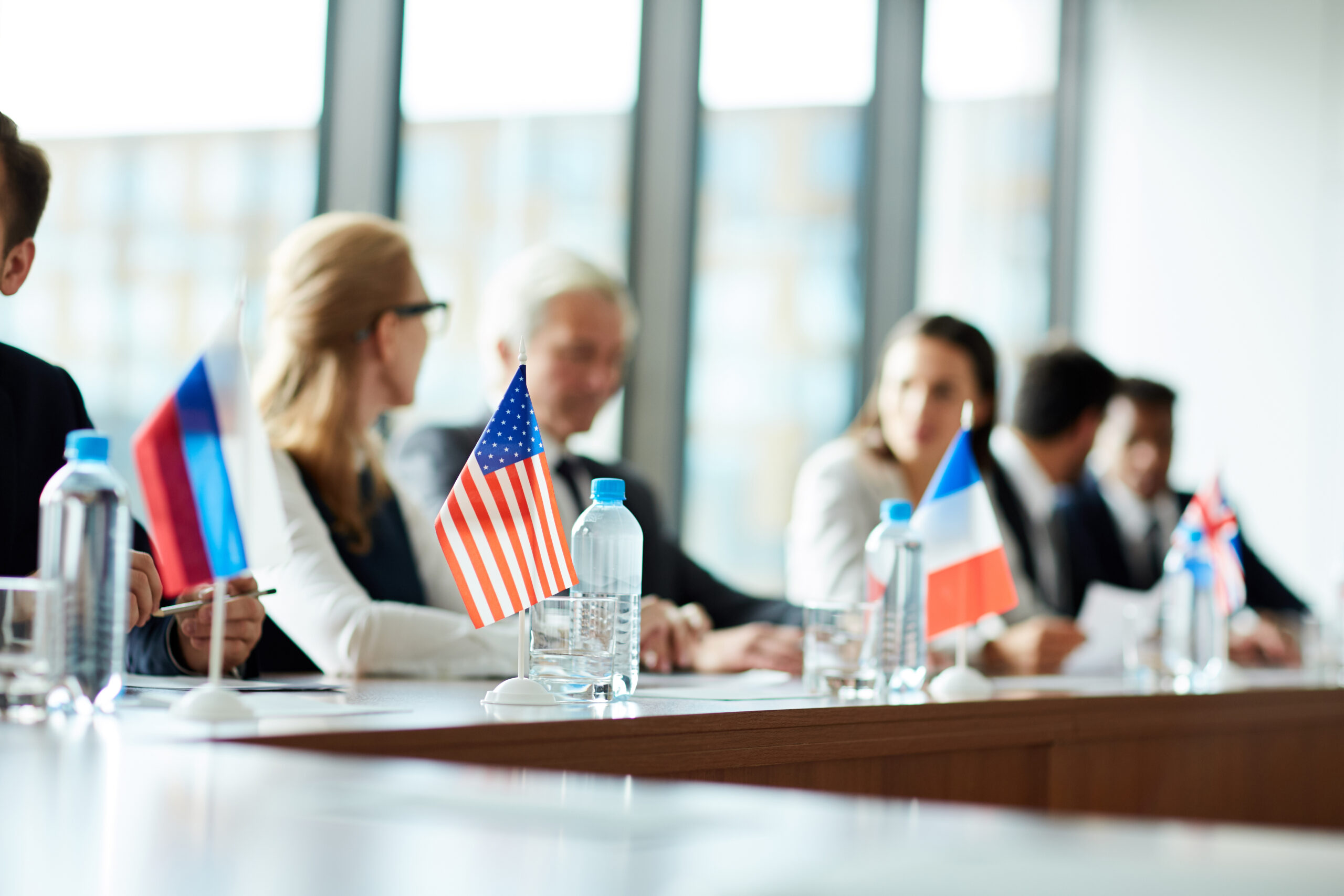
New Delhi became the centre of high-stakes diplomacy on Monday as India opened a two-day meeting of National Security Advisers from BRICS member nations, chaired by India’s NSA Ajit Doval. The gathering, running June 22-23, brings together senior security officials from Russia, China, Brazil, South Africa and other bloc members to discuss what organizers have termed “non-traditional security challenges confronting the world today.”
Among the most closely watched attendees are Chinese Foreign Minister Wang Yi and Russian National Security Adviser Sergei Shoigu, whose presence underscores the strategic weight Beijing and Moscow are placing on the conclave even as both countries navigate separate tensions with Washington. The agenda centers heavily on the role emerging technologies play in reshaping security threats, alongside reviews of BRICS joint working groups on counter-terrorism and on securing information and communication technology infrastructure.
This year’s meeting carries added significance as India holds the BRICS chairship for the fourth time, having previously led the bloc in 2012, 2016 and 2021. Officials say India is using its turn at the helm to push a broader security agenda beyond the bloc’s traditional economic focus, reflecting growing anxiety among member states over cyberattacks, disinformation campaigns, and the use of artificial intelligence in conflict zones.
Diplomats tracking the talks say the choice of theme is deliberate: with traditional military alliances increasingly strained by competing geopolitical interests, BRICS nations are attempting to carve out a shared security framework less tethered to Western institutions. Whether that translates into concrete commitments remains to be seen, given the bloc’s history of broad communiqués that often stop short of binding action.
The conclave also arrives at a delicate moment in global affairs, with multiple flashpoints testing the appetite of BRICS members to coordinate on security matters that sometimes pit their own interests against each other. Analysts expect the meeting’s outcomes to be measured less by formal declarations and more by whether it strengthens India’s standing as a convening power capable of bringing rival powers to the same table.
A formal joint statement is expected at the conclusion of talks on Tuesday.
Leave a Reply