
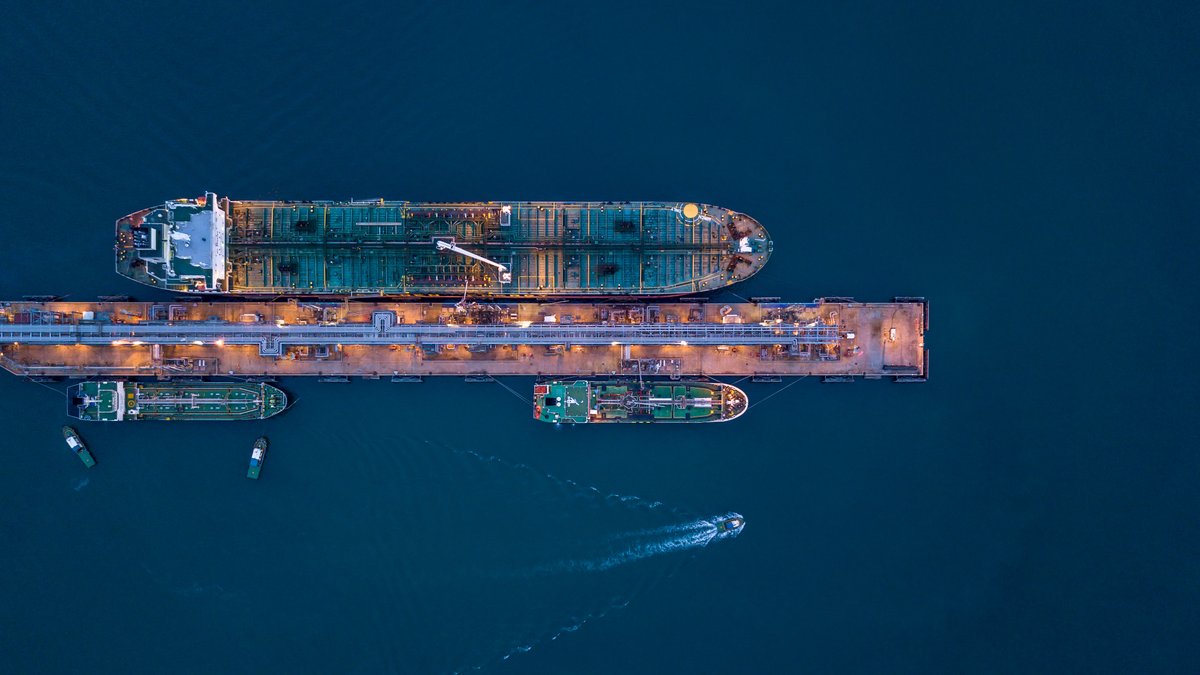
Iran is close to a final agreement with Oman on reopening the Strait of Hormuz, even as Tehran issued a fresh and considerably harder set of public demands to Washington on what it expects in return.
Iran has said it wants the United States to lift its blockade of Iranian ports, withdraw its forces from the region, drop sanctions and pay damages for the war before the strait is fully reopened. The demands sit uneasily alongside the quieter, more technical negotiation being run through Muscat.
Why the strait matters
The Strait of Hormuz is the narrowest and most heavily used chokepoint in the global energy trade. A significant share of the world’s seaborne crude and liquefied natural gas passes through it, which is why even partial disruption there transmits immediately into freight rates, insurance premiums and crude prices far from the Gulf.
Oman’s role as intermediary is long-established. Muscat has maintained working channels with both Tehran and Washington through successive crises, and has repeatedly been the venue of choice when direct talks are politically impossible. No timeline for a reopening has been announced.
A region rearranging itself
The diplomacy is unfolding against a visible realignment among regional powers. Crown Prince Mohammed bin Salman, President Recep Tayyip Erdogan and Prime Minister Shehbaz Sharif met in Mecca to formalise a joint agreement aimed at strengthening regional security ties in the wake of the escalation between the United States and Iran.
The conflict has also not stayed contained. Yemen’s Iran-backed Houthis attacked a Saudi Aramco refinery, a reminder that the pressure points extend well beyond the strait itself and that any settlement will have to hold across several fronts at once.
What it means for India
For India, which imports more than 85 per cent of its crude oil, the stakes are direct. The Indian Navy has been escorting crude tankers through the high-risk Bab el Mandeb Strait, and the government told Parliament this week that it has widened its LNG sourcing from six countries to 15 and its crude sourcing from 27 countries to 41.
That diversification is the practical hedge. It does not reduce how much oil and gas India needs to buy, but it does change what a closed or contested chokepoint means — turning a supply emergency into, at least in principle, a routing and pricing problem.
Leave a Reply