
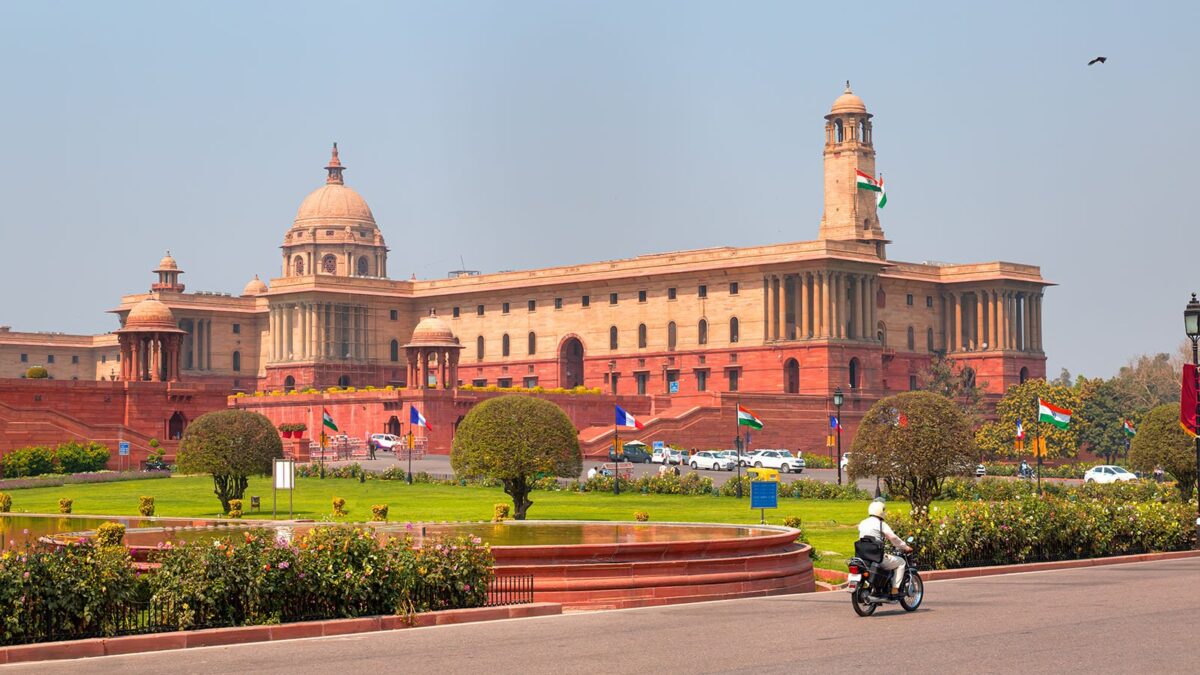
Parliament’s monsoon session has begun with a heavy legislative load and a familiar backdrop of confrontation between the government and the opposition. Officials list close to thirty bills pending across the two Houses, covering everything from taxation and higher education to foreign funding and the strength of the higher judiciary, in a session scheduled to run for roughly three weeks of sittings.
The bill drawing the most attention would overhaul how the country regulates its colleges and universities. The proposal seeks to fold the existing bodies that separately oversee general higher education, technical education and teacher training into a single regulator. Supporters argue the current patchwork of agencies creates overlapping rules and slows institutions down; critics worry that concentrating power in one authority could weaken checks and reduce the autonomy of universities.
Tax, foreign funding and more
Also on the table is an income-tax amendment meant to replace an earlier ordinance and to clarify exemptions for certain foreign investors and international financial institutions. A separate bill would rework the rules governing foreign contributions to organisations, changing how the assets of groups whose registration has lapsed are handled while easing some penalties for violations.
Smaller but still significant measures include amendments to the laws on registration of births and deaths and on penalties for insulting national symbols, along with a bill aimed at supporting micro, small and medium enterprises. Each carries its own constituency of supporters and objectors, and the government will need floor management to move them through.
An opposition looking for openings
The opposition has signalled it will use the session to raise questions on examination paper leaks, the delimitation of constituencies and other issues where it senses public unease. Early sittings have already seen procedural sparring, and there is talk that the calendar could compress if disruptions eat into working days.
For the government, the priority is to convert its pending list into passed law before the session ends. For the opposition, the goal is to slow that momentum and force debate on the subjects it chooses. The weeks ahead will test how much of the agenda survives contact with a restive Parliament.
Leave a Reply