
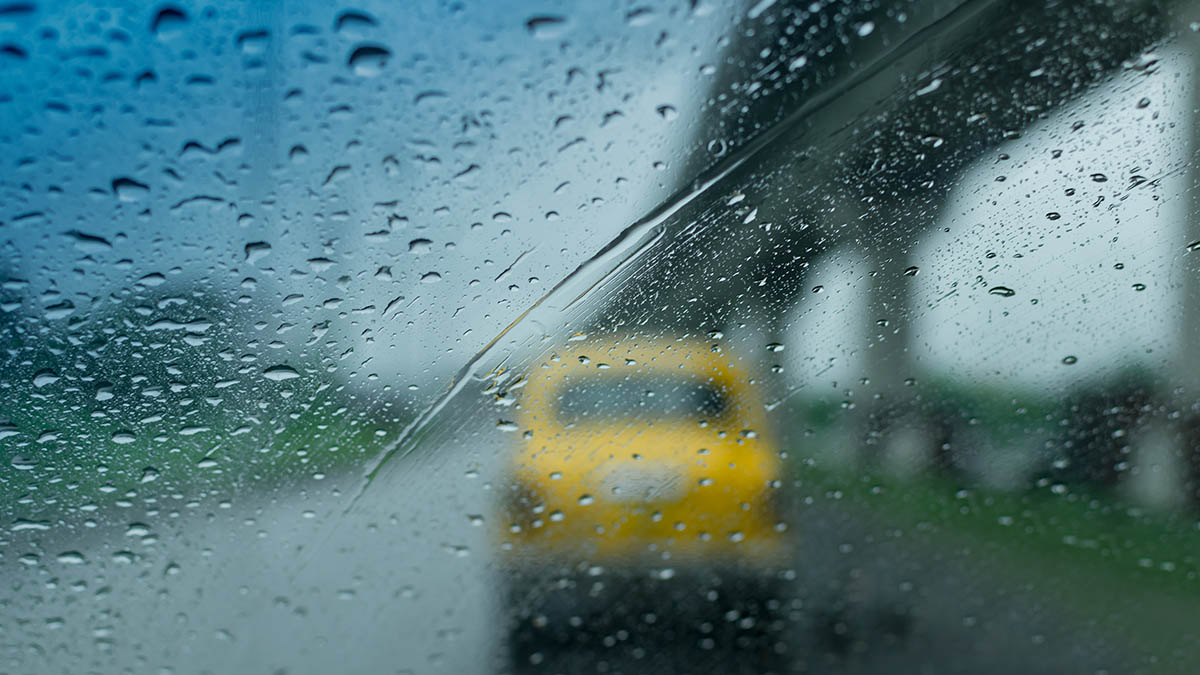
The southwest monsoon has spread across much of India, bringing heavy rain to several regions even as the national weather office cautions that the season as a whole may deliver below-normal rainfall.
By late June the monsoon had advanced into Maharashtra, including Mumbai, and covered the remaining parts of Telangana and Odisha along with more of Chhattisgarh, Jharkhand and Bihar. Forecasters flagged heavy to very heavy rain over the northeast, Sub-Himalayan West Bengal and Sikkim, and warned of intense spells over the Konkan coast and parts of Maharashtra in early July.
The picture is uneven. While some regions are being soaked, the weather office expects below-normal rainfall over most of the country for the full season, with normal to above-normal rain likely only over parts of the northwest, the northeast, eastern peninsular India and pockets of the east. Even as rain advanced, heat-wave conditions persisted in isolated areas of north India, including around Delhi.
The stakes are high. The monsoon supplies the bulk of India’s annual rainfall and is the lifeline of agriculture, especially for farmers who depend on rain rather than irrigation. It refills reservoirs, recharges groundwater and shapes the output of crops that influence food prices across the country. A weak or poorly distributed season can squeeze rural incomes and push up the cost of staples.
Distribution matters as much as the total. A season that ends “near normal” on paper can still hurt if rain arrives too early, too late, or in destructive bursts that flood some districts while leaving others dry. Long dry spells in the middle of the season can damage standing crops even when the final tally looks adequate.
Authorities have urged states to prepare on two fronts at once — managing the flooding and landslides that heavy rain can trigger in hilly and coastal areas, while planning for water conservation in regions that may see less rain than usual. Reservoir management, crop advisories and drinking-water planning all hinge on how the next several weeks unfold.
For millions of farmers and city residents alike, the coming weeks will test how well India can absorb both too much water in some places and too little in others — a balancing act that grows harder as weather patterns turn increasingly erratic.
Leave a Reply