
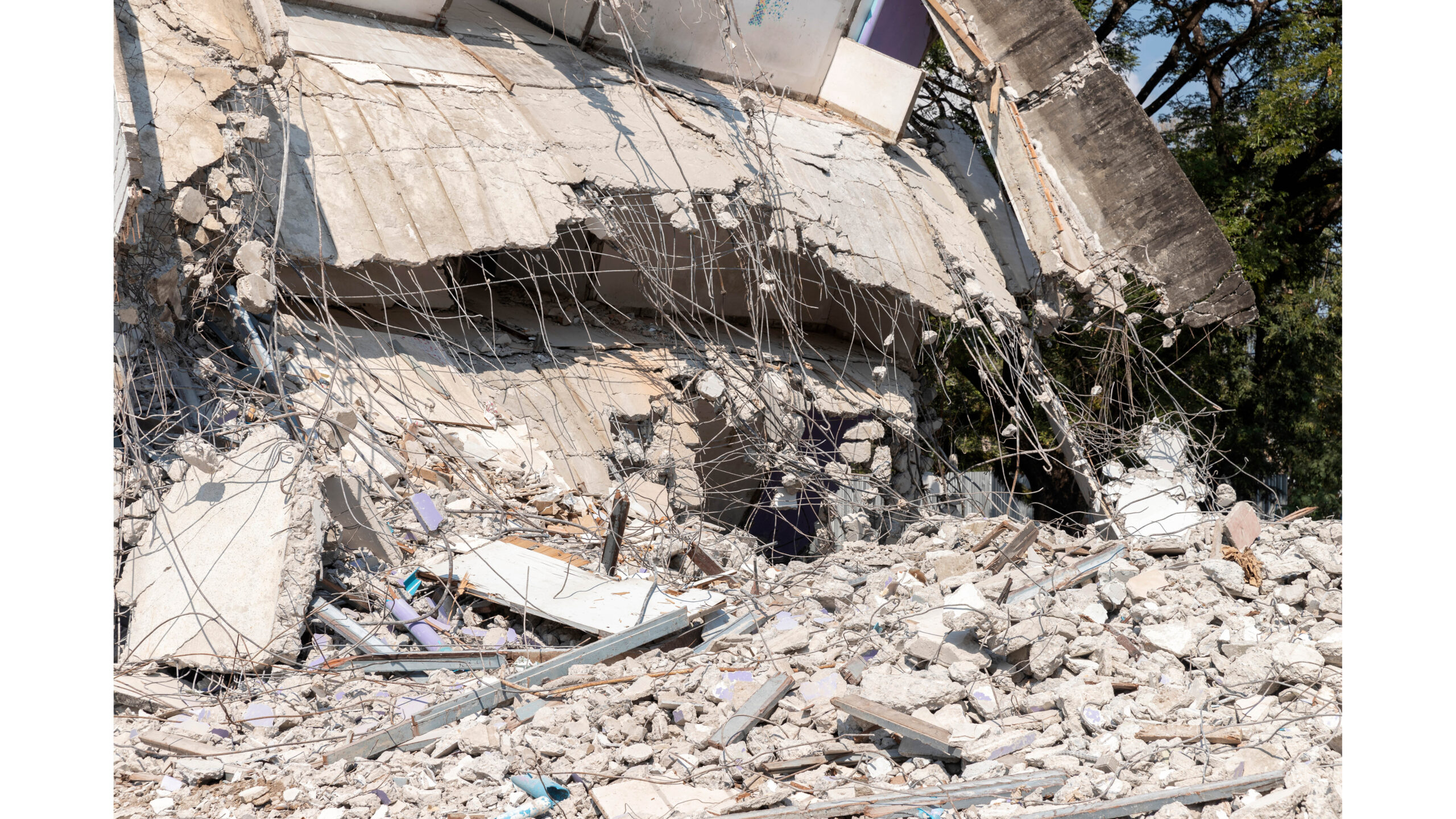
More than a week after twin earthquakes tore through Venezuela’s Caribbean coast, the human cost keeps climbing. Authorities now put the confirmed death toll approaching 2,000, with thousands more injured and tens of thousands displaced from coastal communities that bore the brunt of the shaking.
The disaster struck in quick succession — a magnitude 7.2 quake followed by a 7.5 aftershock — collapsing buildings across a densely populated stretch of coastline and burying residents under rubble with little warning. Rescue teams have continued pulling survivors from collapsed structures more than a week on, including a small group freed alive from the wreckage in recent days, though hopes of finding many more survivors are fading fast.
Roughly 12,000 people have been displaced, crowding into makeshift shelters as authorities scramble to establish how many remain missing — a figure officials have yet to confirm publicly, raising fears the final toll could climb further still. Hospitals in the affected region, already stretched thin, are reportedly overwhelmed, with medical staff racing to treat the injured even as aftershocks continue to rattle the region and complicate rescue operations.
The scale of the destruction has drawn international attention and, increasingly, public anger at the pace and adequacy of the government’s response. Search efforts have been described by those on the ground as growing more desperate by the day, with survivors and aid workers alike frustrated by shortages of equipment and personnel in the hardest-hit towns.
The disaster has also become entangled with Venezuela’s fraught politics. Opposition figures have vowed to return to the country in solidarity with quake survivors, framing the government’s handling of relief efforts as part of a broader pattern of neglect toward ordinary Venezuelans.
As the death toll continues to rise daily, the disaster is shaping up to be one of the deadliest natural catastrophes the region has faced in years — a grim reminder of how quickly compounding earthquakes can overwhelm even prepared infrastructure, let alone a country already under economic strain. For now, the priority remains rescue and recovery, even as the political and humanitarian reckoning over the response has already begun.
Leave a Reply