
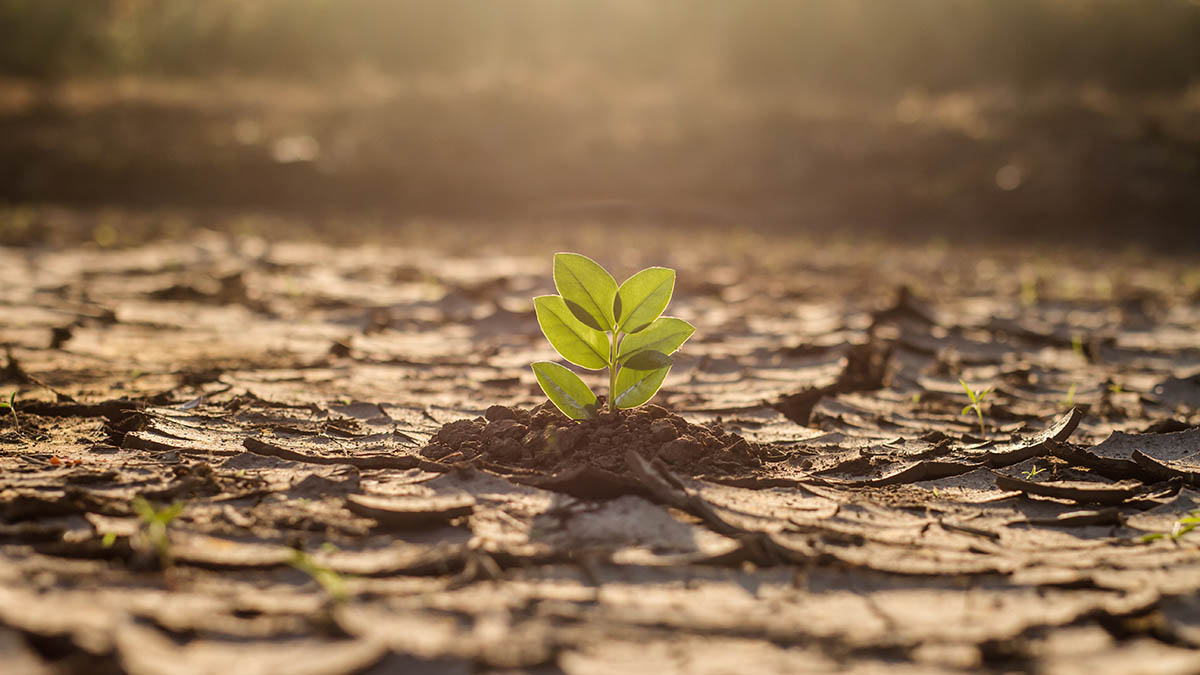
Every year, India waits for the monsoon the way a patient waits for a diagnosis. This year the forecast carries an uncomfortable message: the season is likely to bring below-normal rainfall across most of the country. It is tempting to treat this as just another weather bulletin. It should be read as a warning.
The monsoon is not merely weather. It is the engine of rural incomes, the source that fills reservoirs and recharges the groundwater that hundreds of millions of people drink and farm with. When the rains underperform, the damage is rarely dramatic enough to dominate headlines, but it is real — thinner harvests, costlier vegetables, stressed wells and farmers forced deeper into debt.
What makes this year’s outlook worrying is not the single forecast but the pattern behind it. Rainfall is becoming more erratic: long dry spells punctuated by violent downpours that flood cities one week and leave fields parched the next. Averages can hide this volatility. A season that ends “near normal” on paper can still wreck a crop if the rain comes at the wrong time or all at once.
India has spent decades managing scarcity reactively — declaring droughts, announcing relief, trucking in water when taps run dry. That model is reaching its limits. The smarter path is to prepare before the rain fails, not after. That means treating water as the precious, finite resource it is: reviving traditional tanks and ponds, fixing leaking urban supply systems, harvesting rainwater seriously rather than ceremonially, and recharging aquifers instead of mining them to exhaustion.
It also means rethinking what we grow and how. Water-guzzling crops in water-scarce districts are a slow-motion crisis. Crop choices, irrigation methods and pricing all push farmers toward decisions that drain the very resource they depend on. Changing those incentives is politically hard, but the alternative is harder still.
None of this requires waiting for a perfect plan. Cities can repair pipes now. States can desilt tanks now. Farmers can be supported to shift toward less thirsty crops now. The technology and the knowledge already exist; what is missing is urgency.
A below-normal monsoon is not a catastrophe in itself. But it is a recurring reminder that India’s relationship with water is unsustainable. The country can keep treating each weak season as bad luck — or it can finally treat water as something to be saved, not just survived. The choice, as always, is ours.
Leave a Reply