
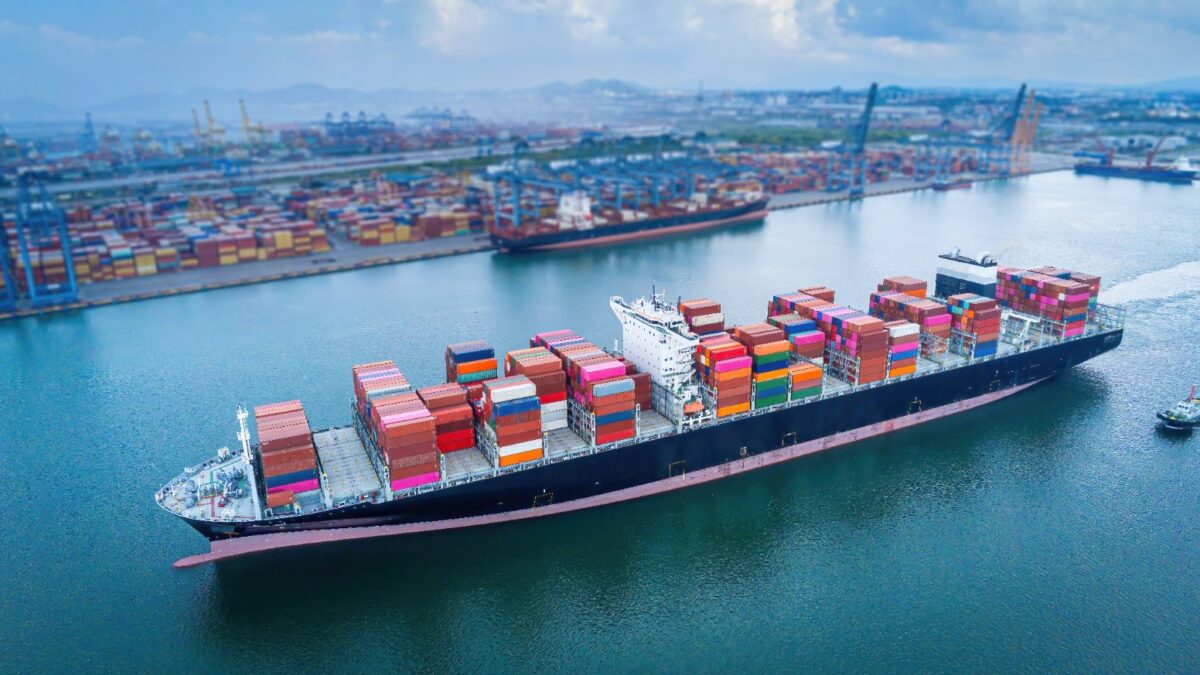
The landmark free trade agreement between India and the United Kingdom formally came into force on Tuesday, opening one of the most significant new trade corridors for both economies and promising cheaper goods, wider market access and a boost for exporters on both sides.
Formally known as the Comprehensive Economic and Trade Agreement, the deal is Britain’s biggest bilateral trade pact since leaving the European Union and India’s most far-reaching agreement with a major advanced economy. Under its terms, the UK will remove duties on 99 per cent of Indian tariff lines, while India will liberalise around 90 per cent of its own, many of them phased in over several years.
What gets cheaper
For Indian exporters, the immediate gains are substantial. Tariffs that ran as high as 70 per cent on some processed foods, along with steep duties on textiles, leather, footwear, marine products and engineering goods, will fall sharply. Labour-intensive sectors that employ millions — garments, gems and jewellery, and auto components — stand to benefit most from tariff-free access to the British market.
For Indian consumers, the most talked-about change is Scotch whisky, whose import duty halves on day one and will keep falling in the years ahead. British-made cars will also become more accessible, with India agreeing to allow a set quota of conventional vehicles at concessional duty over the first fifteen years, while the UK opens its market to Indian electric, hybrid and hydrogen vehicles.
Negotiators say the agreement is about more than tariffs. It includes commitments on services, professional mobility, government procurement and investment protection — areas that Indian technology and services firms have long sought to open up in Britain.
Officials in New Delhi have described the pact as a template for future deals, including ongoing talks with the European Union. For the UK, it is a centrepiece of its post-Brexit strategy to build closer economic ties with fast-growing Asian economies.
Businesses on both sides now face the practical work of adjusting to new rules of origin, customs procedures and certification requirements. But for exporters who have waited years for the deal to be finalised, the message is clear: the terms of trade between two of the world’s largest economies have just changed.
Leave a Reply