
Every time tensions flare in the Strait of Hormuz, a waterway thousands of kilometres from Indian shores, the cost of running an Indian household quietly creeps up. It is an uncomfortable reminder of how exposed the country remains to events it cannot control. India imports the overwhelming bulk of the crude it consumes, and a large share of that oil sails through this single, congested choke point.
When the strait was partially shut during the recent standoff, crude prices lurched upward before easing as diplomacy resumed. For a government that has worked hard to keep retail fuel prices stable, such swings are a recurring headache. Costlier crude feeds into petrol and diesel, which feed into transport costs, which feed into the price of vegetables, cement and almost everything else. The strait may be foreign, but the inflation is local.
The case for cushioning the shock
None of this is new, and that is precisely the point. India has known about its Hormuz dependence for decades, yet the structural vulnerability persists. The sensible response is not panic during each crisis but steady insulation between them: deeper strategic petroleum reserves, more diversified suppliers beyond the Gulf, and a faster push on public transport, electric mobility and domestic renewables that shrink the oil bill at its source.
There is a counter-argument worth airing. Building reserves and diversifying supply costs money up front, and critics note that cheaper Gulf crude has served India well for years; over-insuring against an occasional shock, they argue, can be its own kind of waste, since markets usually re-stabilise faster than governments can react.
Both things can be true. The Gulf will remain a vital partner, and most crises do pass. But resilience is bought in calm weather, not during the storm. Each Hormuz scare is a low-cost rehearsal for a high-cost event that may one day not de-escalate on schedule.
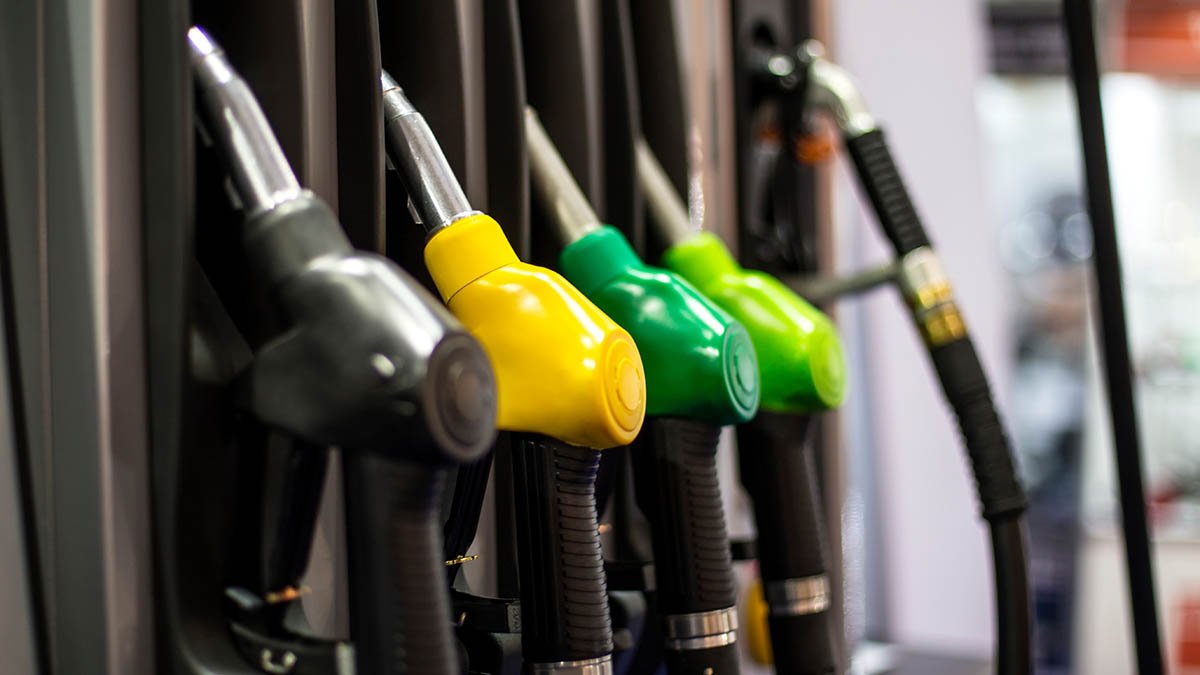
For ordinary Indians, the lesson is simpler and a little galling: a quarrel they had no part in, in a strait most will never see, can still show up at the petrol pump. Reducing that exposure is not glamorous policy — but it is the kind that pays off precisely when nobody is paying attention.
Leave a Reply