
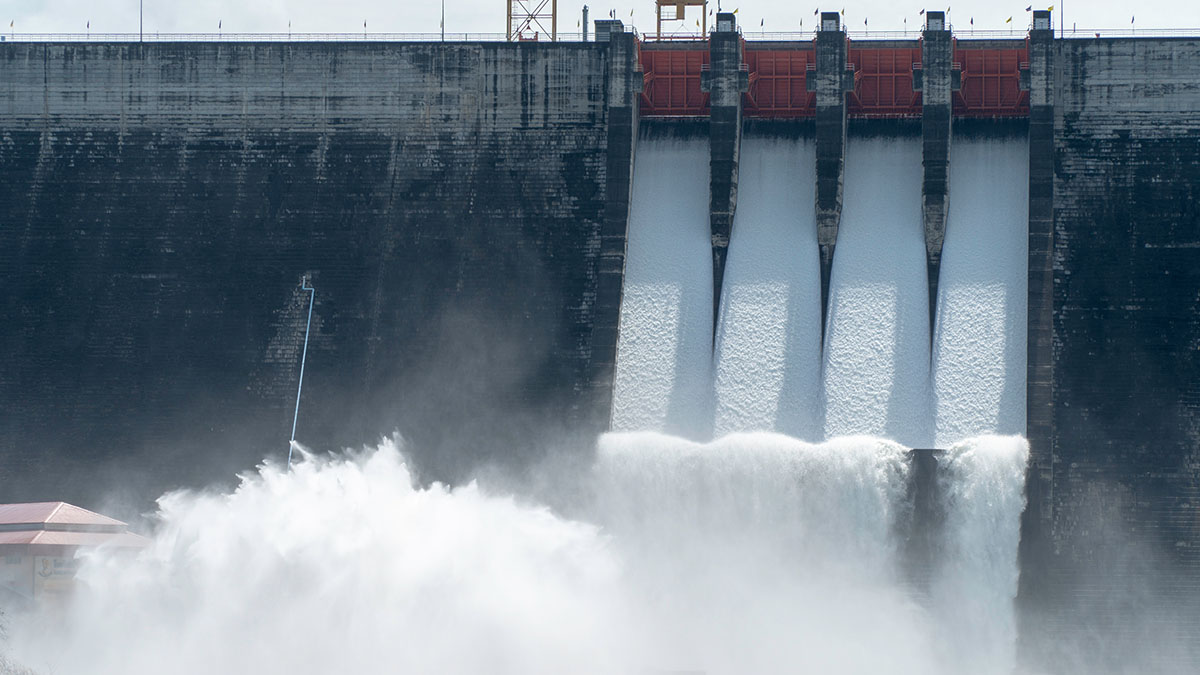
The Polavaram multipurpose project has crossed the 90 per cent mark in overall progress, with engineers on site reporting that construction continued through this year’s flood season rather than pausing for it — a shift that officials say has bought the project several months.
Progress on the project now stands at close to 89.9 per cent by the state’s own assessment, with the left main canal identified as the stretch moving fastest. Work on the diaphragm wall and the earth-cum-rock fill dam — the components that have repeatedly reset the project’s deadline over the past decade — remain the pieces on which the final timeline turns.
An October target, and the money question
Chief Minister N. Chandrababu Naidu has set an October 2026 target for substantial completion and has directed agencies to compress the remaining schedule. In review meetings this month he has pressed contractors on daily progress rather than monthly milestones, and asked district officials to clear right-of-way and rehabilitation hurdles that have slowed canal work in the upstream mandals.
The bigger constraint is cash. Polavaram is a national project, and the state has been seeking an early release of central funds to keep payments to contractors current. Delays in reimbursement have, in previous years, translated directly into slower mobilisation on site. The state has asked for a Cabinet-level decision to expedite the release, arguing that a project this close to the finish line is the wrong place to run a funding gap.
What completion would mean
When commissioned at full capacity, Polavaram is designed to irrigate roughly seven lakh acres across the Godavari districts, supply drinking water to a large swathe of the delta, and generate hydropower. It also carries a link to the Krishna basin, which is why the project has long been treated as central to Andhra Pradesh’s water strategy rather than as one irrigation scheme among many.
The rehabilitation of displaced families remains the most sensitive unfinished piece. Thousands of households in the submergence zone are still awaiting full compensation and resettlement, and villagers in the upper reaches have raised concerns about backwater flooding during high-discharge years. Officials maintain that resettlement packages are being cleared in phases alongside construction.
For a project first cleared in the 1980s and repeatedly rescheduled, the last ten per cent has historically been the hardest. Whether the October date holds will depend less on engineering than on how quickly money and rehabilitation clearances move over the next two months.
Leave a Reply